
The Power of Personalization
Have you ever wondered why our students start learning a language? There are many reasons, but the most common one is that a language, English in particular, is a tool for communication. We speak to share our thoughts, feelings, needs and wishes with others. Through language we can share information, exchange ideas and build relationships with the people around us. Mastering a new language becomes the key to understanding another culture, making connections and broadening our horizons.
When our students take their first steps in learning a language, they start practicing it in speaking or writing. But to speak or write, they need a reason. Simply giving students a topic for an essay or a discussion is not enough if the goal is fluency. Activities will be much more interesting and effective if they meet students’ needs and preferences, and if the topics and materials used in the tasks relate to students’ lives. That is why in this article we want to explore personalization and how it can spark students’ interest and encourage them to speak more in class.
What do we mean by personalization?
In language learning, personalization usually means adapting instruction and learning materials to a student’s individual needs and goals. Personalization is not only about discussing our students’ preferences or the topics they like. It is also about letting students look at any topic from their own point of view.
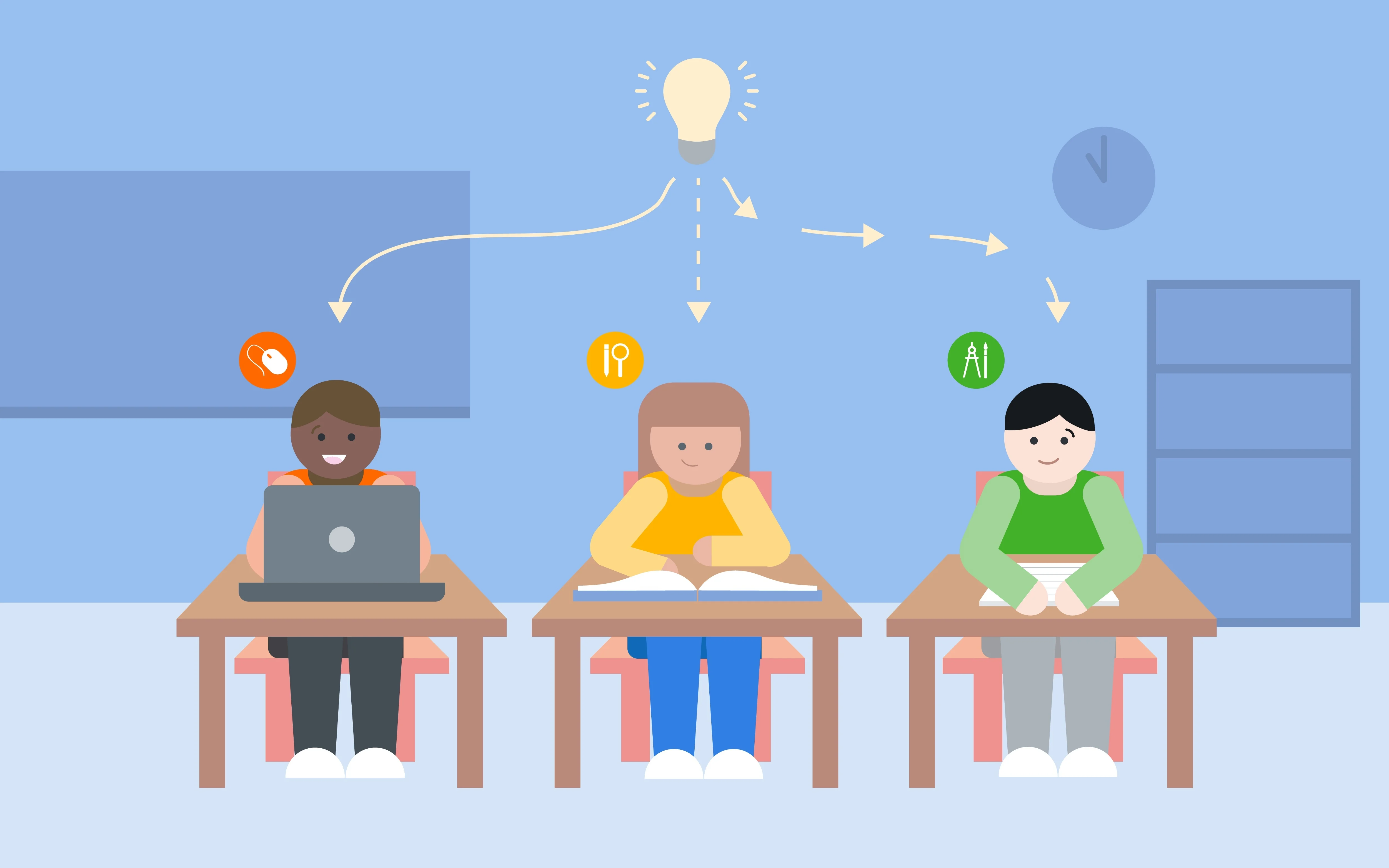
Personalized learning happens when:
- students adapt the language they are learning so they can use it to talk about their own knowledge, experience and feelings;
- when preparing instructions, the teacher takes into account students’ interests, needs, strengths and motivation.
Why should we personalize activities?
There are a number of reasons why we should personalize activities, so let’s look at them in more detail:
- To increase student engagement. When students see relevance and meaning in learning a language, they are more likely to be actively involved and invested in the process. This is especially important when it comes to learning grammar and developing writing skills. Students will be more inspired if they discuss topics that matter to them, or if they get the chance to express their own opinion instead of just playing roles or exchanging information.
- To achieve better learning outcomes. Personalized activities can help students grasp concepts more effectively precisely because they match students’ learning styles. This leads to better learning outcomes and a deeper understanding of the material.
- To build rapport with students. Students are more likely to trust a teacher who is interested in what is happening in their lives and who cares about how they learn.
- To develop students’ speaking skills. The aim of personalized learning is to give students the chance to talk about themselves and their attitude to different situations.
- To stimulate critical thinking and creativity. Personalized activities involve students thinking critically, solving problems creatively or completing tasks that match their interests. This stimulates the development of important cognitive skills that are key to future success.
Are there any challenges with personalized activities?
Although personalization has many benefits, using it also comes with certain challenges. Some topics may be too personal for students to discuss, or certain materials may be unpleasant for them. A teacher may not know about a student’s particular experience and may ask something that upsets them or causes negative emotions.

To avoid these challenges, we as teachers must make sure that all personalized tasks are inclusive, respectful and take into account students’ experience and cultural differences. For example, if the lesson topic is family and relationships, it is better to avoid direct questions about family members (such as “Do you have a mom/dad?”) until the student wants to share.
Which activities do we personalize?
Not every activity needs personalization, but adding personalized elements to lessons can greatly enrich the learning process. For example, if students need to write a letter of complaint, why should they write about something that has nothing to do with them?
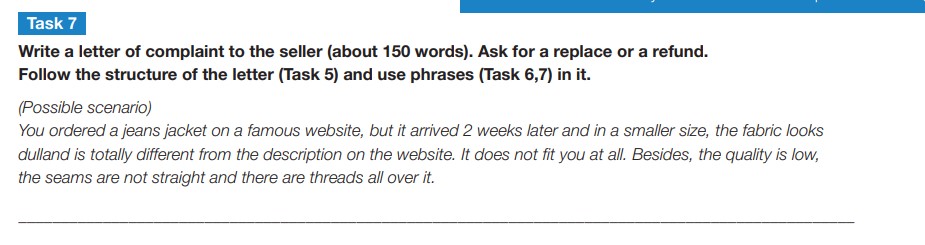
Letting students choose the topic or thing they want to complain about is a very wise decision, because it can awaken their interest in the task.
Let’s look at the main stages of a lesson and possible ways to use personalization:
- Warm-up / presenting a new topic: encourage students to share information about themselves or ask personalized questions.
For example: you can ask students to write down the associations they have with the topic of the lesson.

- Controlled or semi-controlled practice: adapt exercises to students’ interests.
For example: if you have a group of young learners who are interested in superheroes, and the grammar topic of the lesson is modal verbs of ability, you can create a gap-fill task or an online game where students practice can/can’t in the context of discussing superheroes.
- Reading / listening: ask whether certain information resonates with students, or find out how they would act in a particular situation, using personalized follow-up questions in the discussion.
For example: your students have listened to a recording about sorting waste. As a follow-up, you can ask them to share which of their habits help the environment and which harm it, and to decide how much they care about the environment on a scale from 1 to 5.
- Free practice / language production: ask students to create a project or presentation where they can tell something about themselves. Adapt these tasks so that they match students’ interests and needs.
For example: if you need to practice the Present Perfect, you can ask students to make a list of things they would like to do in their lives. Then put students in pairs to share this information with each other. When one student has said what they would like to do, the other student has to say whether they have done it in their life or not, using the Present Perfect.
If we let students draw on their own experience and interests, we can create a more meaningful and engaging learning environment.
Personalized speaking tasks
The aim of personalized speaking tasks is to create comfortable conditions for students to talk about their own experience. To make sure such a task is effective, it is important to consider what the teacher does before, during and after the speaking task.
How do we prepare for a personalized speaking task?
Before the task
- Try to anticipate difficulties and think through possible ways to overcome them. One of the most common problems is mixed-ability groups. Because of this, some students may not feel confident enough to speak.
- Give students information they can use as a model. It can be a recording or a text that gives students a clear understanding of what they need to talk about or what kind of statement to prepare.
- Give students phrases they can use during the task if needed.
- Give clear instructions about what students should talk about: can they choose the topic themselves? Do they need to express their own opinion? Can they act out a dialogue based on a real-life situation?
- Give students plenty of time to prepare and let them take notes.
During the task
- Teach students how to listen actively to their partners and how to respond if needed.
- Involve students in giving each other feedback and encourage them to share their experience of talking with classmates.
- Monitor them and take notes on what they want to say.
After the task
- Ask students about the outcome of their discussion.
- Give constructive feedback.
- Praise them.
- Run a reflection activity to find out what students liked and disliked about the task, and what was easy and what was difficult.
Tips and hints for making lessons more personalized
1. Carry out a needs analysis
There are various tools, procedures and materials used to find out about a student’s needs. A needs analysis contains information about the student’s current language level, why they are learning the language, what they want to learn and how they would like to learn. This can be done with questionnaires, interviews or diagnostic assessments, in pairs or with the teacher. Here are some examples:
In writing:
Ask students to:
- fill in a questionnaire (for example, about their learning experience, interests and so on);
- choose the statements that are true for them (for example, I like reading / I prefer listening to reading / I prefer writing to speaking, and so on);
- take a language test;
- choose pictures that describe how they use English (for example, a picture of a person greeting customers, ordering food and so on).
Orally:
- interview students one-to-one or in pairs;
- ask students to choose an item from a list or a set of cards and discuss their choice with each other;
- run reflection activities on the effectiveness of tasks and students’ progress at the end of each lesson;
- let students share their view of the learning process;
- talk about the topics students would like to study during the course.
Observation:
- observe students when they speak, read or write;
- keep monitoring students in every lesson to adapt learning materials to their needs.
You can choose any kind of needs analysis you like or that is appropriate for your students’ age and level. It is important to keep this information throughout the course. It will help you track students’ progress and check whether you are reaching your goals and working in line with students’ needs.
2. Assess students regularly to understand their progress and notice their achievements
Regular assessment is key to tracking students’ progress and identifying the points where they may need extra support. Formative assessment, such as tests, presentations and projects, provides valuable information about students’ language skills. Remember to give timely feedback and the necessary guidance, as they make learning more personalized.
3. Adapt materials
Flexibility is one of the key tools of personalized learning. That is why we as teachers should not be afraid to change tasks and adapt them to students’ language level, interests and learning styles. This may mean simplifying texts that are too difficult, providing extra materials or using multimedia resources. For example, if you have a group of weaker students who find listening difficult, you can give them prompts to use while listening. If you have strong students who finish tasks quickly, you can extend the current task and ask them to come up with their own examples and write or talk about them. It is important to remember that all exercises should be inclusive, student-centered and suitable for their level. Teachers should understand that online learning differs from classroom learning, so adapting materials is essential there.
4. Encourage independence and motivate
Encouraging students to be independent lets them take responsibility for their own learning and suggest topics that interest them. This can be achieved through project-based learning, independent research or collaborative activities. Teach your students to be independent and let them be responsible for their results. Spark their interest and motivate them to create relevant tasks.
5. Build rapport with students
You will be able to integrate personalization into your teaching style more effectively if you create a positive and supportive learning environment in class. To do this, you need to listen actively to your students, encourage them, support them and promote open communication.
6. Review and analyze how you teach
Constant reflection and evaluation are key to improving your teaching practice and meeting students’ ever-changing needs. You can review and analyze your teaching methods based on your students’ results and feedback. You can also reflect on your teaching style by asking colleagues and methodologists for advice. If you want to learn something new, there are many free webinars online that you can use for your professional development.
Useful resources
- Learning Teaching: The Essential Guide to English Language Teaching (3rd edition) by Jim Scrivener (Macmillan 2011)
- The TKT (Teaching Knowledge Test) Course by Mary Spratt, Alan Pulverness, and Melanie Williams (Cambridge University Press, 2005)
- The Practice of English Language Teaching (4th Edition) by Jeremy Harmer (Pearson 2007)
- How to Personalise Your ESL Teaching for Learners
- Speaking Matters: Personalisation
- Personalised Speaking